
Buying Farm Machinery: Why Timing Beats Negotiating
Agricultural machinery prices move with the season and the season is predictable. Plus what hours mean on equipment that works six weeks a year.
Farm machinery is the most seasonal market in equipment, and the swing is larger than anything you will negotiate. A header in October and the same header in March are different prices for the same machine, because in October the buyer needs it and in March the seller needs the shed space.
The seasonal pattern
| Machine | Demand peaks | Best time to buy |
| Headers / harvesters | Just before harvest | After harvest, into summer |
| Seeders / air carts | Just before sowing | After sowing |
| Balers | Before and during hay season | Late season, into winter |
| Tractors | Steadier — used year round | Less seasonal; watch model-year changeover |
| Sprayers | Growing season | Post-season |
Hours mean something different here
Most agricultural machinery works intensively for a few weeks and then sits. A header with 2,000 engine hours has had a long working life; a tractor with 2,000 hours has barely started. And sitting causes its own problems that hours never record.
- Perished seals and hoses from sitting, particularly on machines shedded badly or not at all.
- Rodent damage to wiring — extremely common and expensive, and easy to check for.
- Rust in unexpected places on machines stored outside.
- Batteries, belts and rubber components aged by time rather than use.
- On a header, separator hours matter as much as engine hours and are the number to ask for.
What to check, by machine
Headers and harvesters
- Separator hours as well as engine hours.
- Concave, rotor or drum wear, and the sieves.
- Front condition, and whether the front is even included — this is a frequent and expensive misunderstanding.
- Auger and elevator chain wear.
- Whether it has been through a dealer inspection after last harvest, with the report.
Tractors
- Transmission and hydraulics, tested through the full range including PTO under load.
- Front axle and four-wheel-drive engagement.
- Linkage, drawbar and remote condition.
- Tyre condition — agricultural tyres are a substantial cost and crack with age as much as wear.
- Hours against wear, and whether it has been on a service contract.
Balers
- Belt or roller condition, and pickup teeth.
- Knotter or net wrap mechanism, tested.
- Bale count if the monitor records it — the equivalent of an hour meter.
- Chains, bearings and driveline.
The finance timing that people miss
Agricultural cash flow is seasonal and equipment finance can be structured to match it. Repayments weighted to follow income rather than spread evenly across a year is a normal arrangement, not a special favour — but it has to be set up at the start, not renegotiated in a bad month.
- Seasonal or structured repayments aligned to harvest or sale income.
- Buying out of season while the price is low, with the first repayment timed to when income arrives.
- Balloon structures that suit a machine you intend to trade at a known point.
Farm machinery currently listed
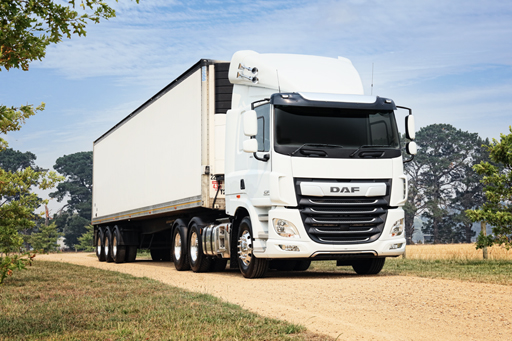
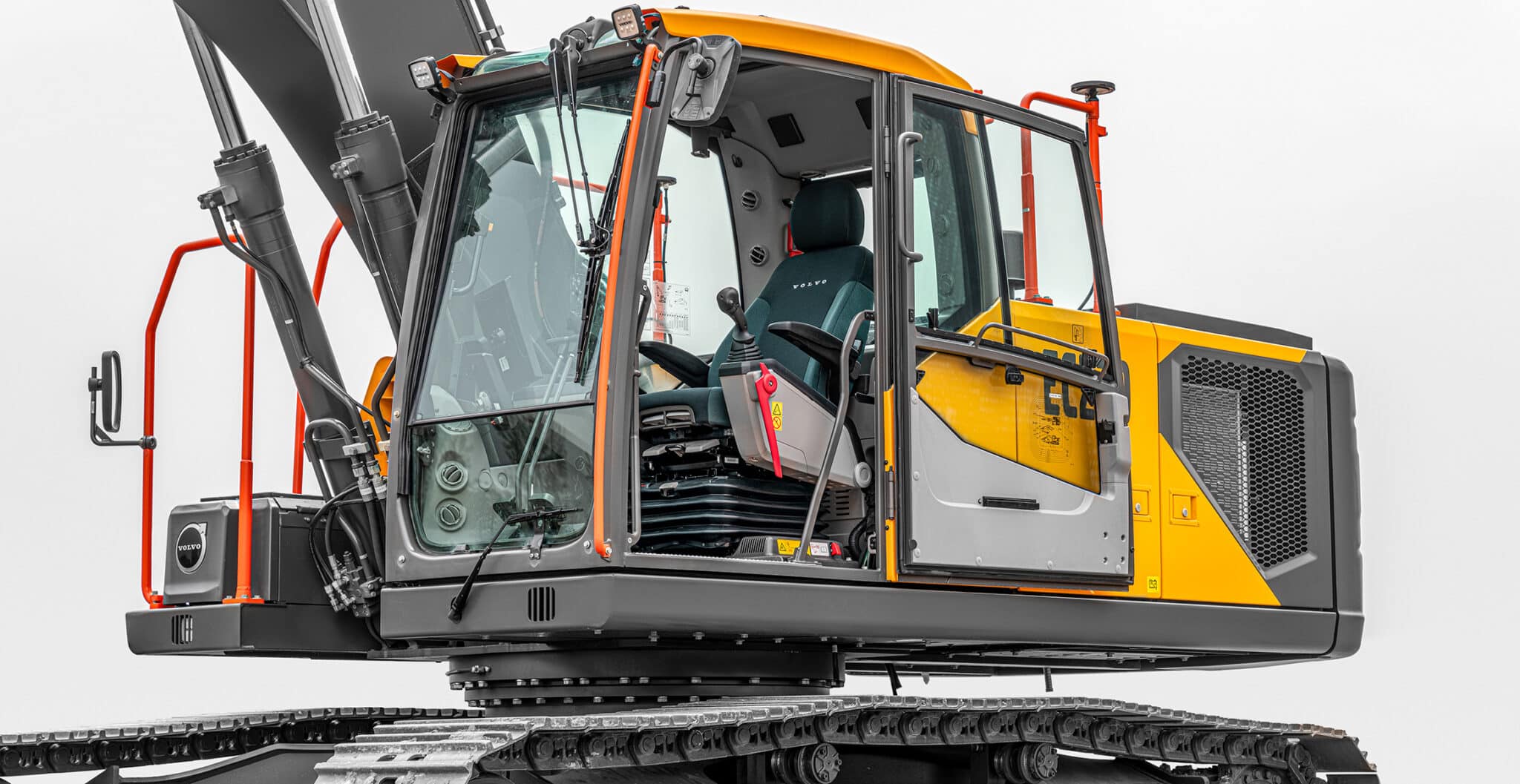
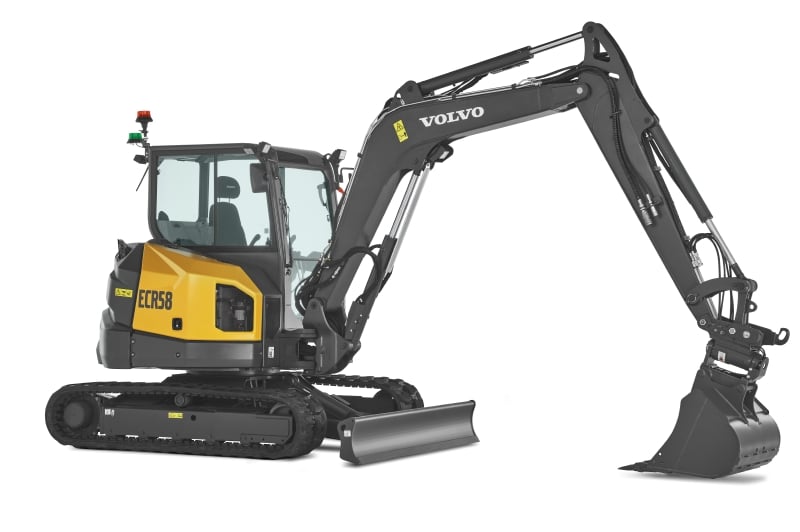
Recently listed tractors
Read from our index on 10 August 2026 · 434 matching listings · median asking price $80,000 · $0 to $1,325,000



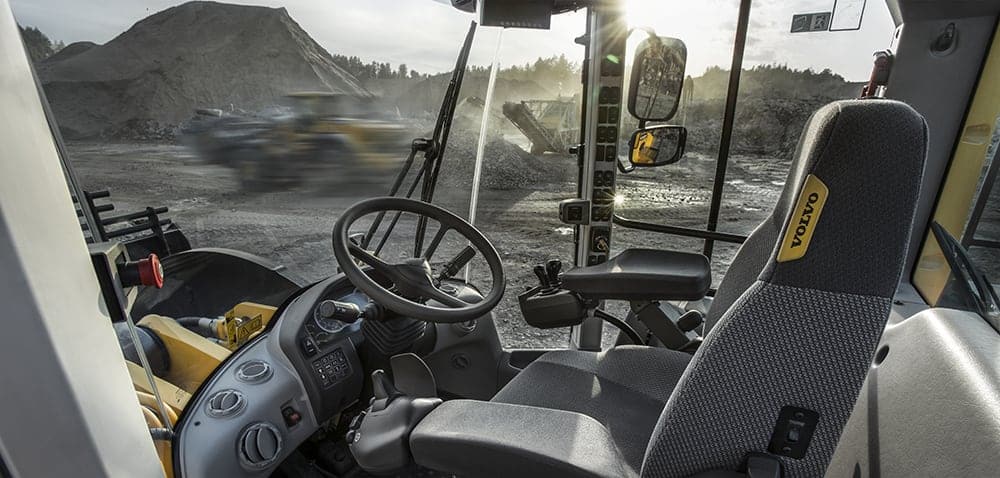
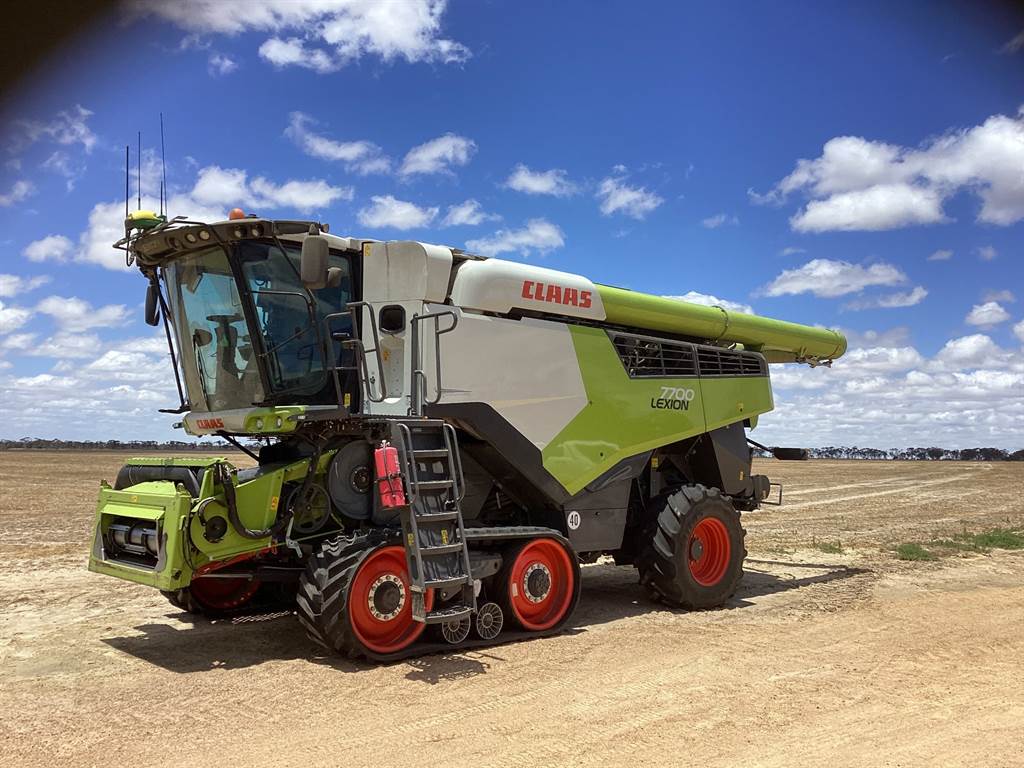
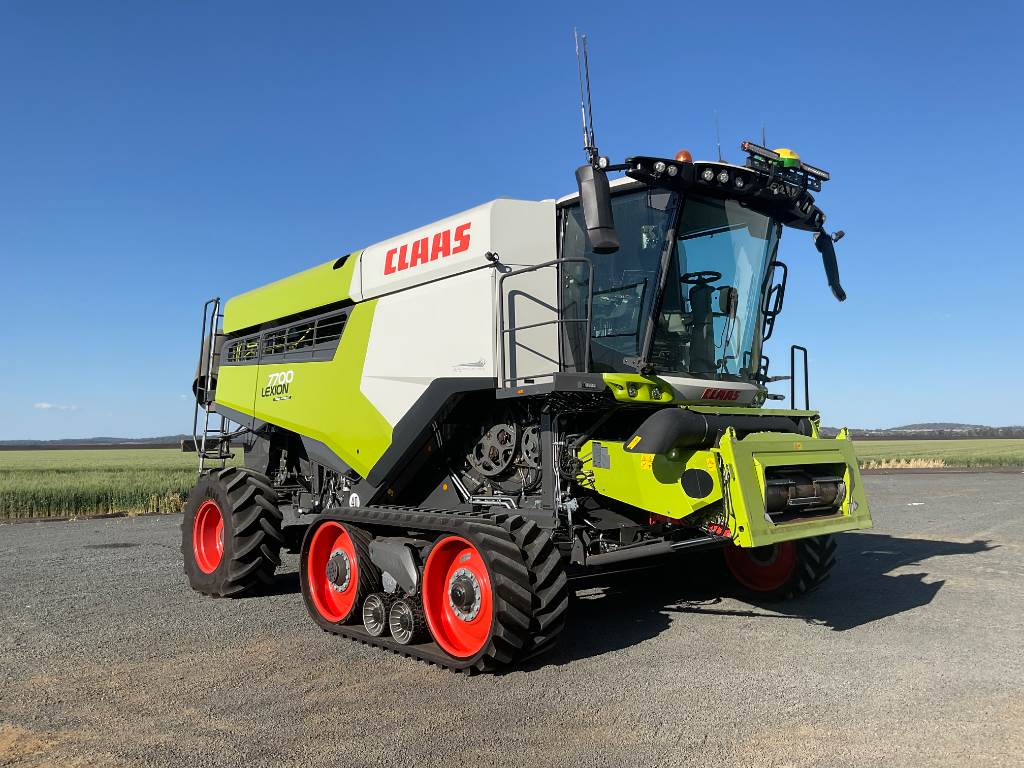
Recently listed harvesters
Read from our index on 10 August 2026 · 161 matching listings · median asking price $299,500 · $0 to $999,999
 Used
Used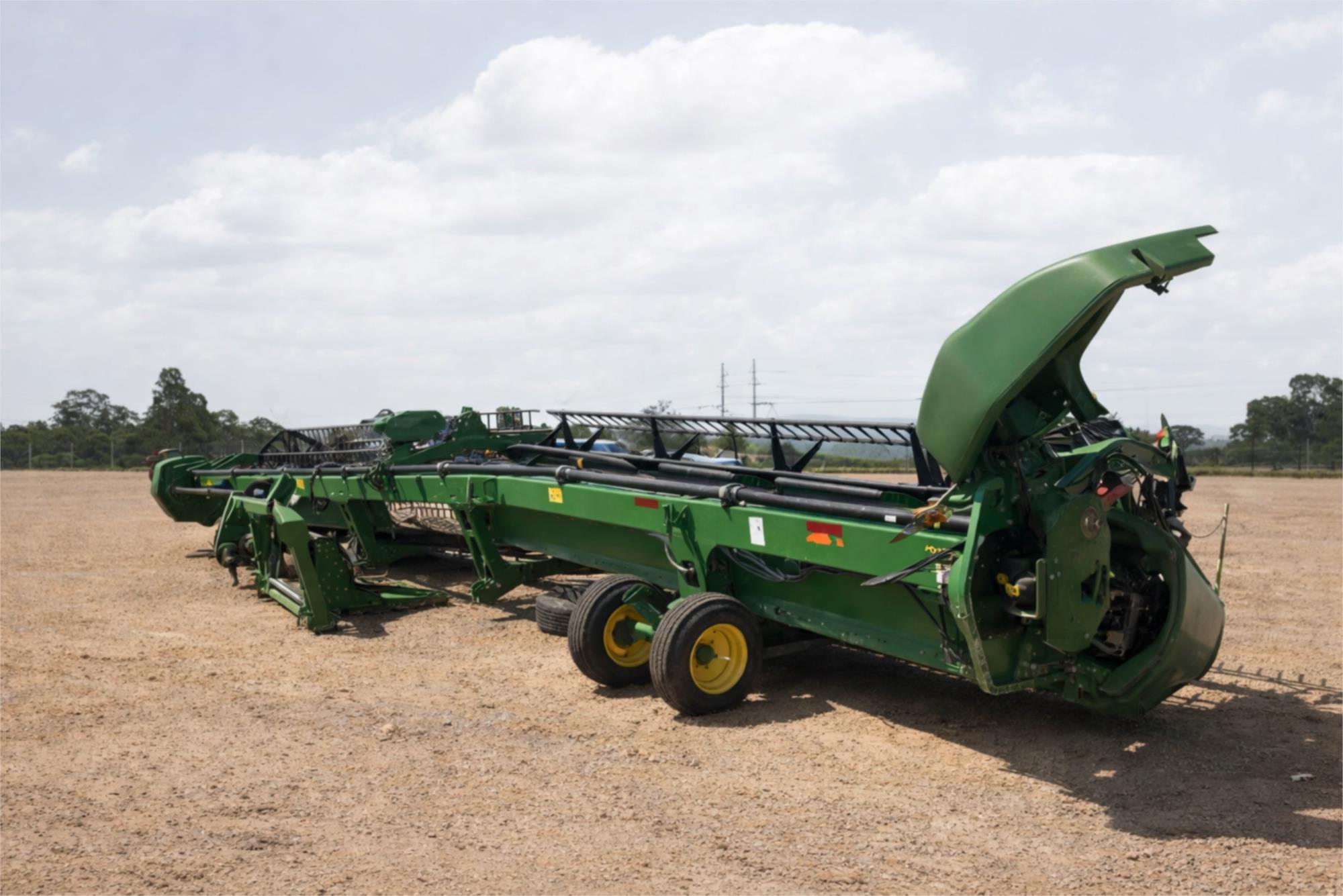 Used4
Used4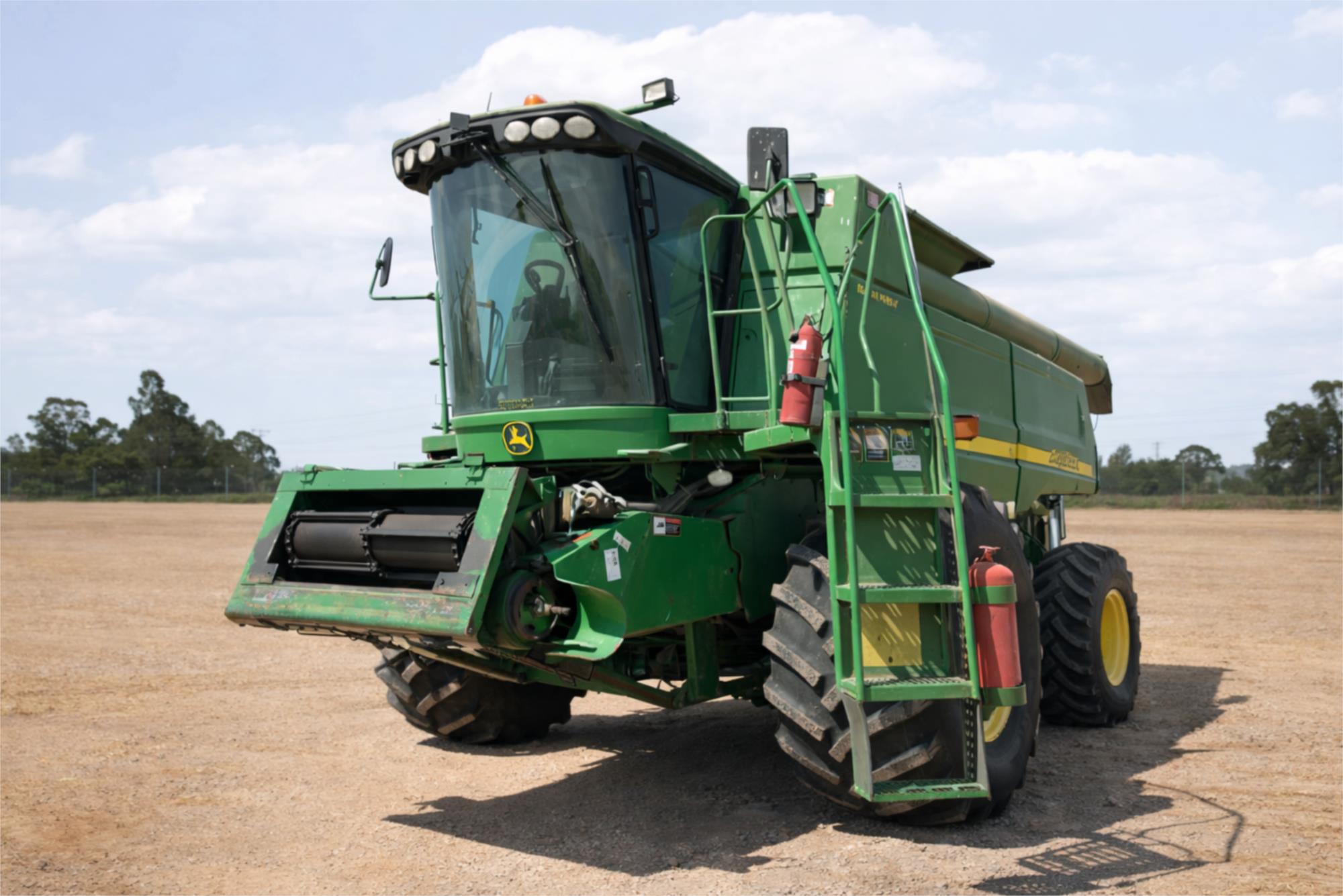 Used5
Used5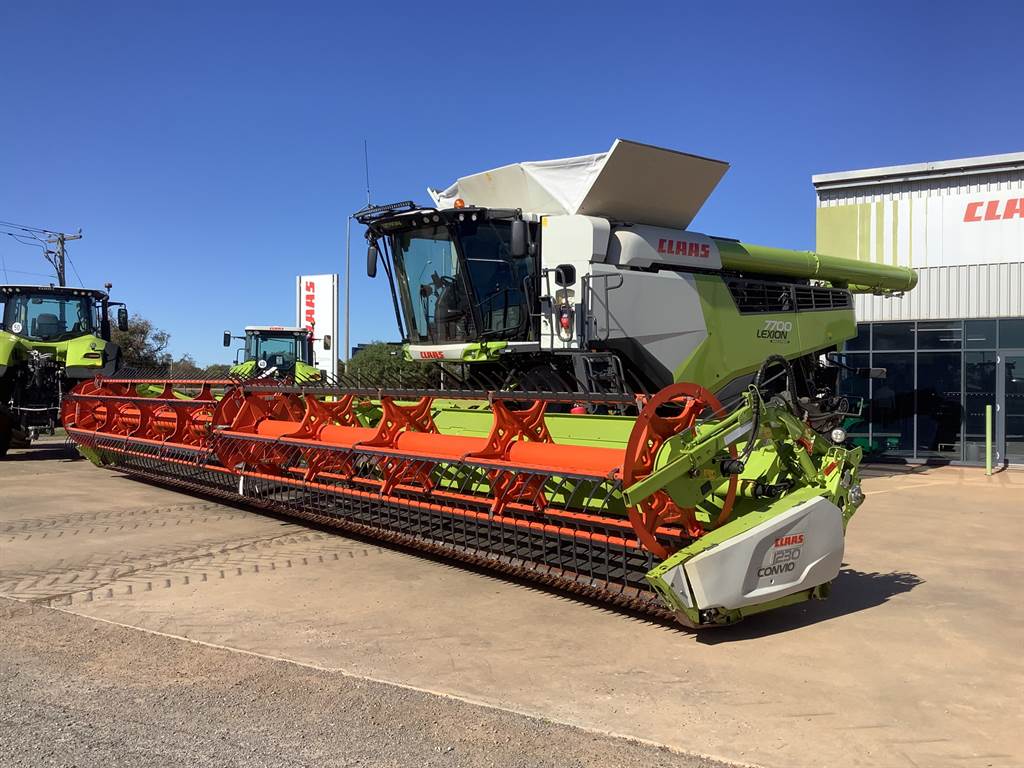 Used12
 Used12
 Used12
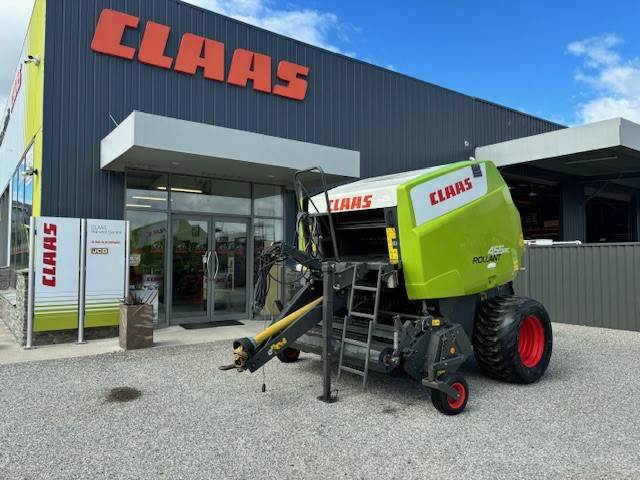
Recently listed balers
Read from our index on 10 August 2026 · 24 matching listings · median asking price $63,500 · $6,000 to $381,700


Common questions
When is the best time to buy farm machinery?
Out of season for the machine concerned — headers after harvest, seeders after sowing, balers late in the hay season. Demand and prices peak immediately before the machine is needed. The trade-off is that you cannot test it in working conditions and will wait months to find out.
How many hours is a lot on a header?
Ask for separator hours alongside engine hours, since separator hours reflect actual harvesting work. Headers accumulate hours slowly because they work intensively for a few weeks a year, so 2,000 engine hours represents a substantial working life — unlike a tractor, where it is modest.
Can equipment finance repayments match harvest income?
Yes. Seasonal or structured repayments that follow income rather than spreading evenly across the year are a standard arrangement for agricultural equipment. It needs to be set up when the finance is written rather than renegotiated later, so raise it before agreeing a price.
What damage does machinery suffer from sitting idle?
Perished seals and hoses, rodent damage to wiring, rust on machines stored outside, and aged batteries, belts and tyres. None of it appears on an hour meter, which is why storage history matters as much as hours on seasonal equipment.
Looking for something specific?
Search live stock from Australian dealers, or work out what a repayment looks like before you start.