Choosing a Forklift: Diesel, LPG or Electric
The fuel decision is really a decision about where the forklift works. Plus the capacity trap that catches most first-time buyers, and what to check on a used mast.
Forklifts are the most commonly bought piece of materials handling equipment in the country and the one most often bought wrong — usually because the capacity on the badge is not the capacity you get.
The fuel decision
| Electric | LPG | Diesel | |
| Indoors | Yes — the only clean choice | With good ventilation | No |
| Outdoors / rough ground | Limited | Reasonable | Best |
| Running cost | Lowest | Middle | Highest |
| Purchase cost | Higher; battery is the variable | Lower | Lower |
| Refuel / recharge | Hours, or swap batteries | Minutes — bottle change | Minutes |
| Noise | Very low | Moderate | High |
| Maintenance | Least | Moderate | Most |
The capacity trap
A forklift rated at 2,500 kg does not lift 2,500 kg in your warehouse. Rated capacity is quoted at a standard load centre — usually 500 mm — and at a standard lift height. Move the load further from the mast, or lift higher, and capacity falls, sometimes steeply.
- Check the load plate, which shows capacity at different heights and load centres. That plate, not the model name, is the machine's real capability.
- Add attachments to your calculation. A rotator, side shift or extended forks all reduce net capacity.
- Measure your actual loads, including the pallet, and know their load centre.
- If you lift high, capacity at height is the number that matters and it can be far below the headline.
Mast and height
- Free lift matters in containers and under low doorways — how far the forks rise before the mast extends.
- Closed height must clear your lowest doorway and, if it travels, fit on your truck.
- Two, three or four stage: more stages give more height in a shorter closed mast, at more cost and complexity.
- Measure your racking, your container doors and your roller doors before shopping. This is the constraint people discover on delivery day.
What to check on a used forklift
- Mast channel wear and the condition of the rollers. Raise and lower the empty mast and watch for jerking or noise.
- Chains — stretch, rust, and whether both sides are even. Chains are a wear item with a real cost.
- Fork condition: heel wear, any bending, and cracks at the heel. Worn forks are a safety issue, not a cosmetic one.
- Hydraulic cylinders for weeping, and mast drift when holding a raised load.
- Tyres. Cushion versus pneumatic matters for where it can work, and solid tyres wear less visibly than you expect.
- Hour meter against wear on the seat, pedals and steering — the same honesty check as any machine.
- On electric: battery age, a capacity test, and the condition of the charger.
- Service records, and whether it has been on a maintenance contract. Fleet-maintained forklifts are usually well documented.
Forklifts currently listed
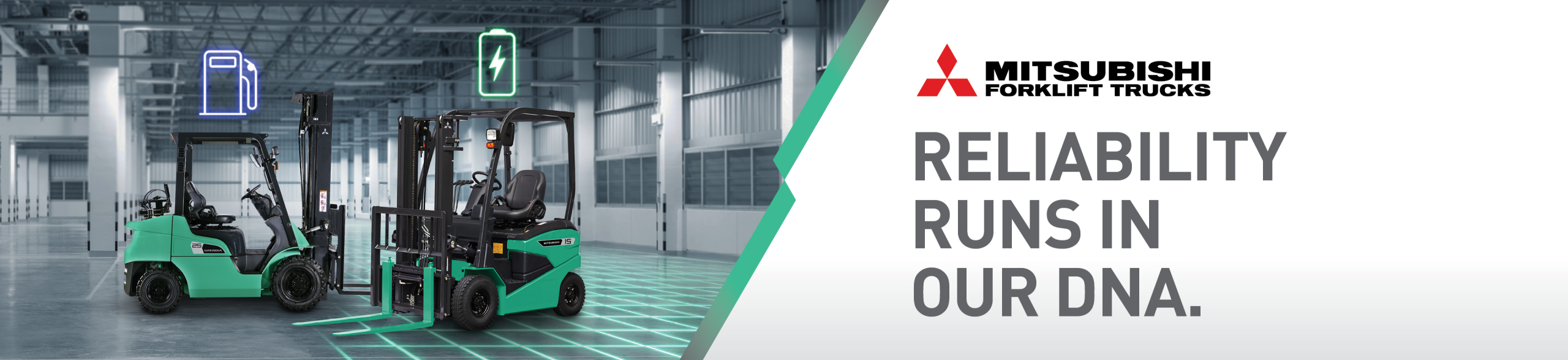
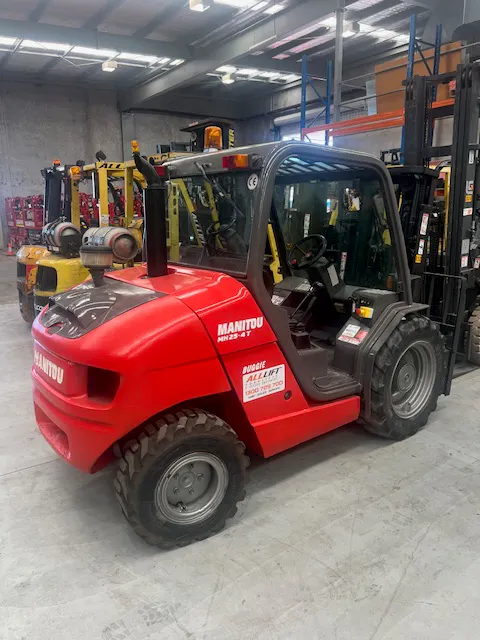
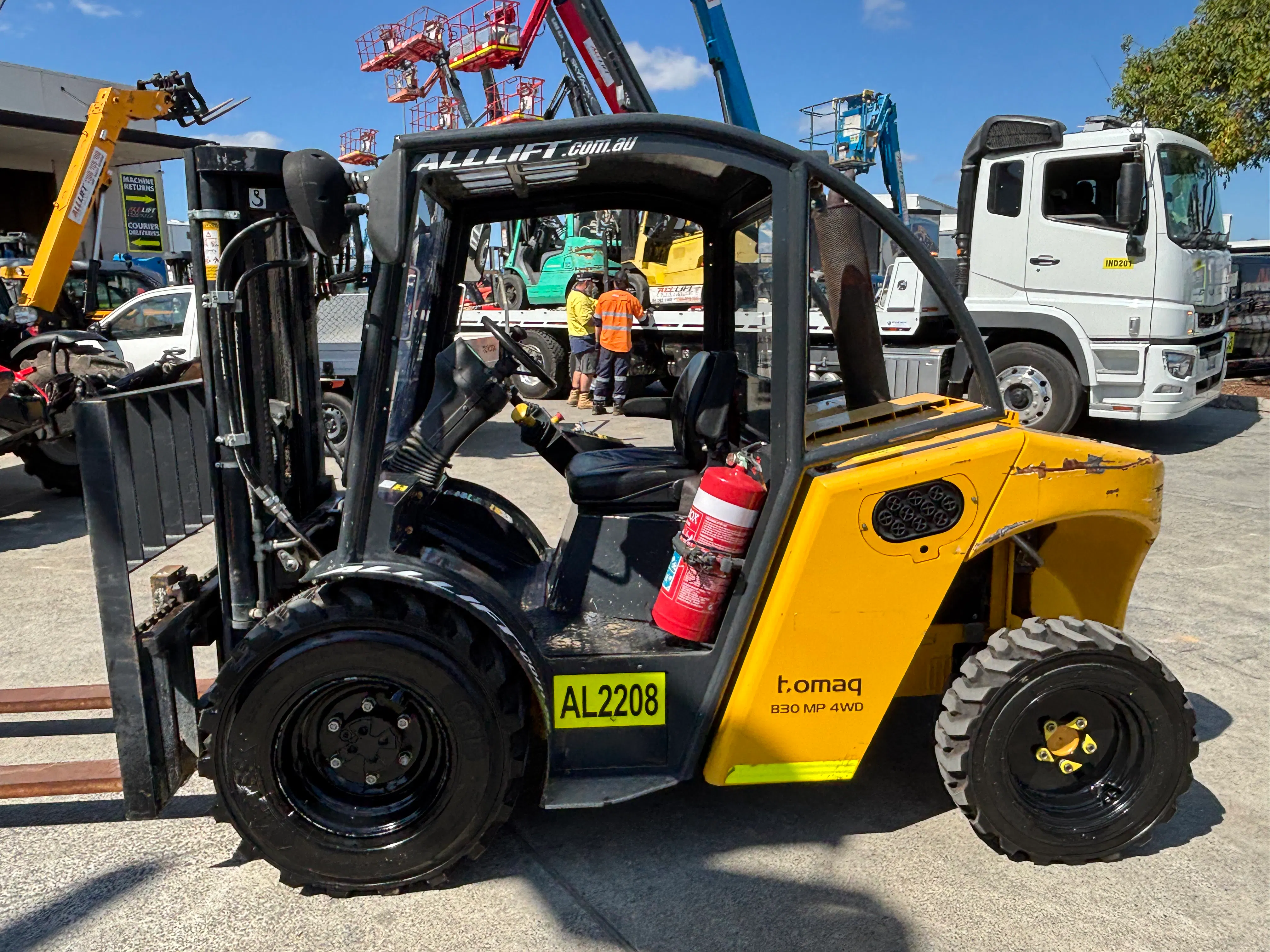
Recently listed forklifts
Read from our index on 10 August 2026 · 320 matching listings · median asking price $20,000 · $109 to $414,900


Forklifts by make
Read from our index on 10 August 2026 · 320 matching listings · median asking price $20,000 · $109 to $414,900
| Make | Listings we index | Median asking |
| Hyster | 130 | $16,000 |
| YALE | 28 | $14,850 |
| EP | 21 | $29,900 |
| AISLE-MASTER | 20 | $24,500 |
| Toyota | 12 | $34,000 |
| ALLLIFTER | 10 | $151 |
| COMBILIFT | 10 | $47,000 |
| DINGLI | 8 | $41,000 |
| KARCHER | 8 | $9,250 |
| Liftsmart | 8 | $48,050 |
| JUNGHEINRICH | 5 | $17,500 |
| LIFTSMART | 5 | $2,500 |
Common questions
Should I buy an electric, LPG or diesel forklift?
It follows where it works. Electric is the only sensible choice for indoor work with no emissions and low noise. LPG suits mixed indoor and outdoor use with adequate ventilation. Diesel is best outdoors and on rough ground, where its higher noise and emissions matter less.
Why can a 2.5 tonne forklift not lift 2.5 tonnes?
Rated capacity is quoted at a standard load centre, typically 500 mm, and a standard lift height. Loads carried further from the mast or lifted higher reduce capacity, sometimes substantially. Read the load plate on the machine, which sets out capacity at different heights and load centres, rather than relying on the model designation.
What is the risk with a used electric forklift?
The battery. It is the largest single variable in the price and replacement costs a significant fraction of the machine's value. Ask its age and insist on a capacity test rather than accepting an assurance that it is fine.
Looking for something specific?
Search live stock from Australian dealers, or work out what a repayment looks like before you start.