Skid Steer or Track Loader? (And Why Everyone Says 'Bobcat')
Wheels or tracks is the decision that determines where the machine can work and what it costs to run. Plus why the whole category is named after one manufacturer.
Ask for a Bobcat in Australia and you will be shown machines from six manufacturers. Bobcat is a brand — it dominated the category so completely and so early that the name became the noun, in the same way people say Esky or Ute. If you are searching for one, you are almost certainly looking for a **skid steer loader** or a **compact track loader**, and which of those two you need is the decision that matters.
Wheels or tracks
| Skid steer (wheels) | Compact track loader | |
| Hard surfaces | Better — cheaper, faster, less damage | Wears tracks quickly |
| Soft or wet ground | Gets stuck | Much better flotation |
| Ground damage | More on turf | Less — spreads weight |
| Running cost | Lower — tyres are cheap | Higher — tracks and undercarriage |
| Purchase cost | Lower | Higher |
| Slopes | Less stable | Better |
| Lifting | Good | Generally better — more stable base |
The honest summary: if you work mostly on hardstand, concrete and dry ground, wheels are cheaper to buy and cheaper to run, and the money you save on undercarriage is real. If you work on soft ground, wet sites, turf or slopes, tracks are not a preference, they are the difference between working and not working.
The undercarriage cost, again
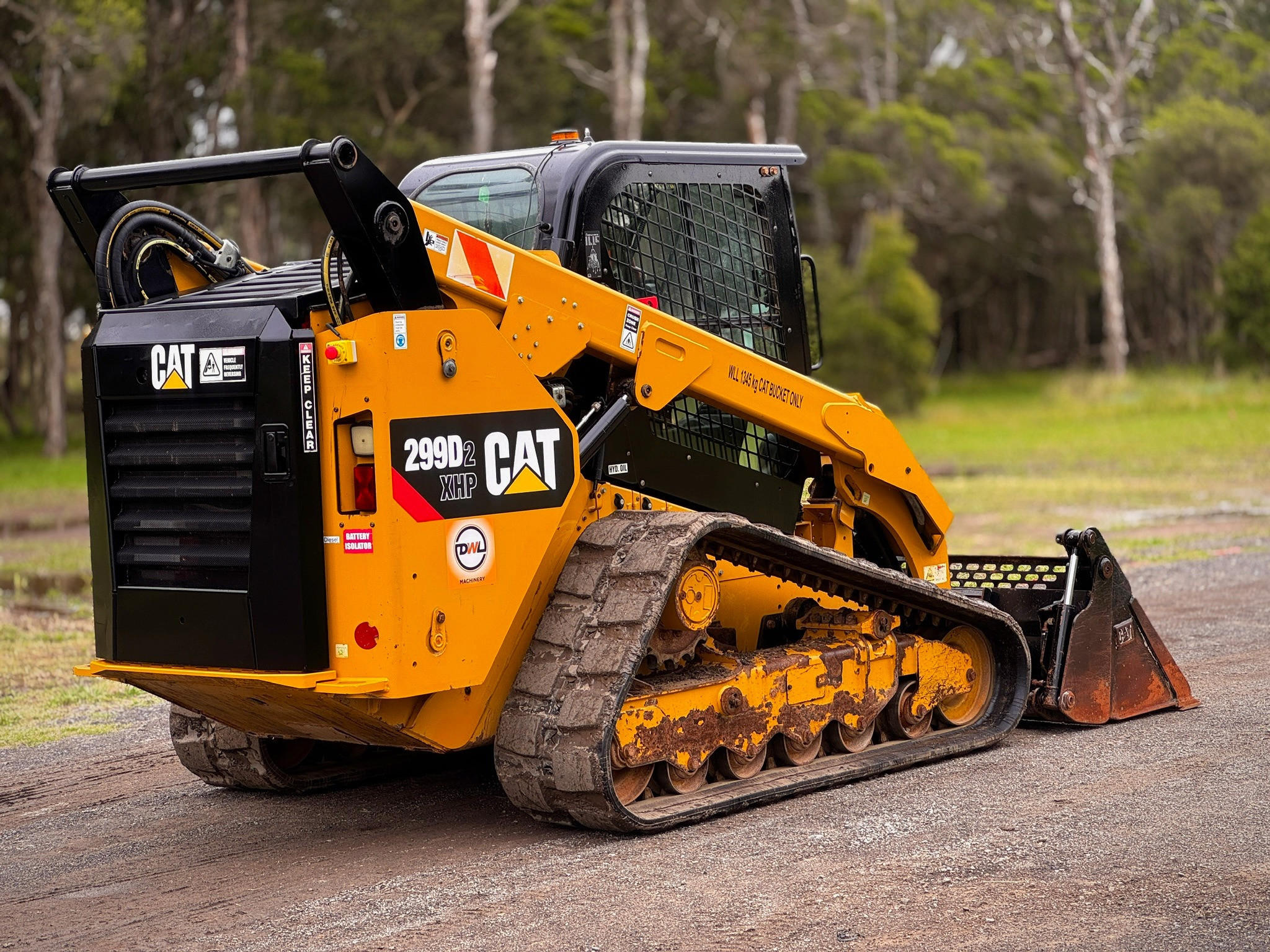
A compact track loader has a wear cost a skid steer does not. Rubber tracks are a consumable, and beneath them the rollers, idlers and sprockets wear too. Running a tracked machine on abrasive concrete all day is expensive in a way that is invisible until the bill arrives.
- Ask the age and hours on the current tracks and inspect them for cuts, missing lugs and exposed cord.
- Check the rollers and idlers for oil weeping — the same check as an excavator.
- Ask what surface it worked on. Concrete and abrasive rock are the expensive answers.
- Budget tracks as a scheduled expense, not a surprise.
Sizing, and the thing to check first
- Rated Operating Capacity is what it can safely lift, typically half its tipping load. Compare ROC, not engine power.
- Width matters more than anything else if you go through gates or between houses. Measure your narrowest access before you shop.
- Weight matters for transport — whether you can legally tow it on the trailer and vehicle you already have.
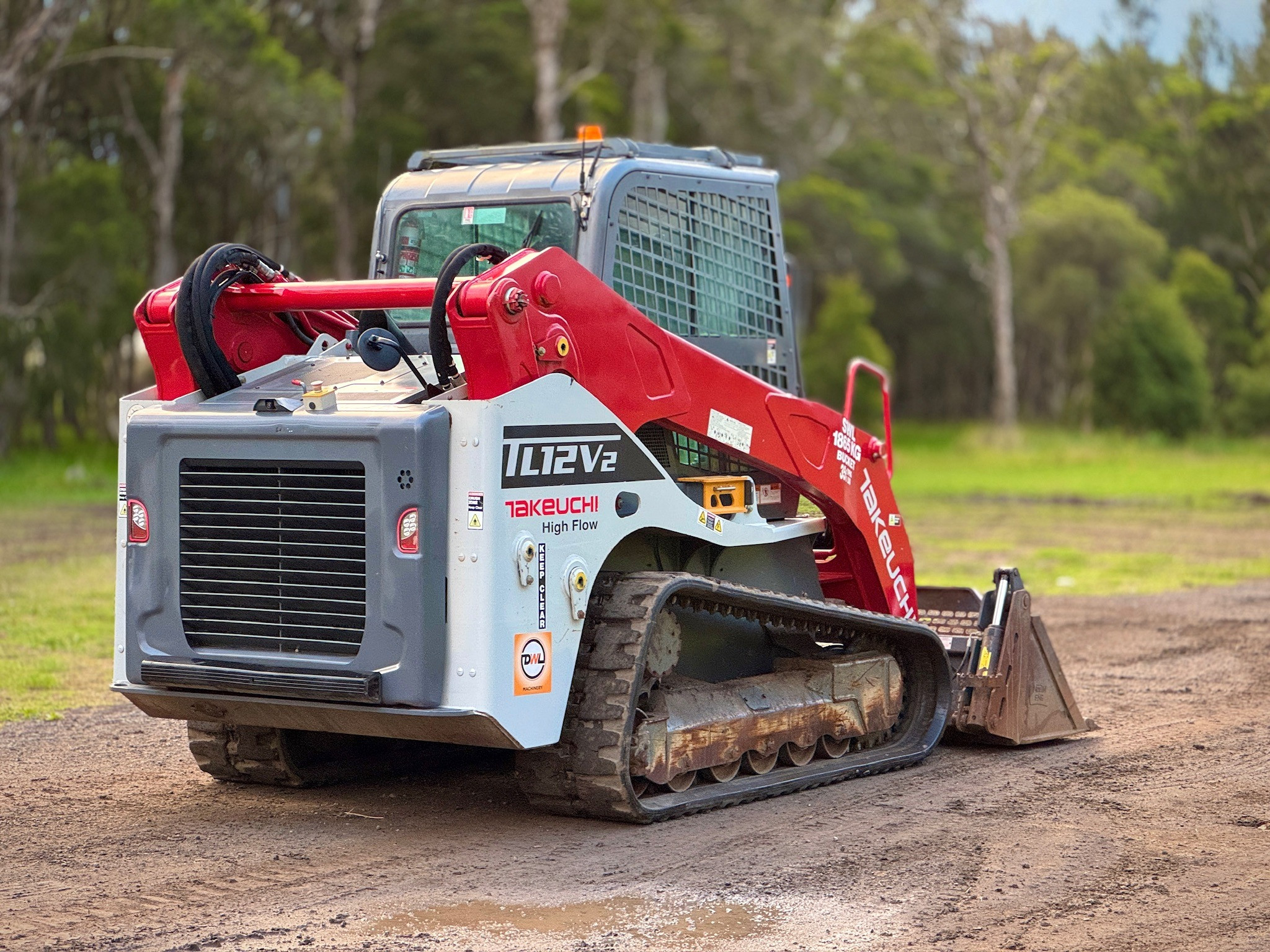
- Auxiliary hydraulic flow determines which attachments will actually work. High-flow is required for cold planers, mulchers and large augers, and it is not standard.
What to check on a used one
- Loader arm and pin play, and any cracks or weld repairs at the arm pivots.
- Quick attach plate condition and whether it locks properly.
- Drive motors on a tracked machine — listen for whine, check for leaks.
- Hydraulic cylinders for weeping and drift under load.
- Cab, ROPS and safety interlocks. The interlocks get bypassed on hard-worked machines and that is both a safety and a resale problem.
- Hours against wear on the seat, controls and floor plate.
- Service history in documents.
What is available now
Recently listed skid steers and track loaders
Read from our index on 10 August 2026 · 75 matching listings · median asking price $44,800 · $0 to $239,990
 New12
New12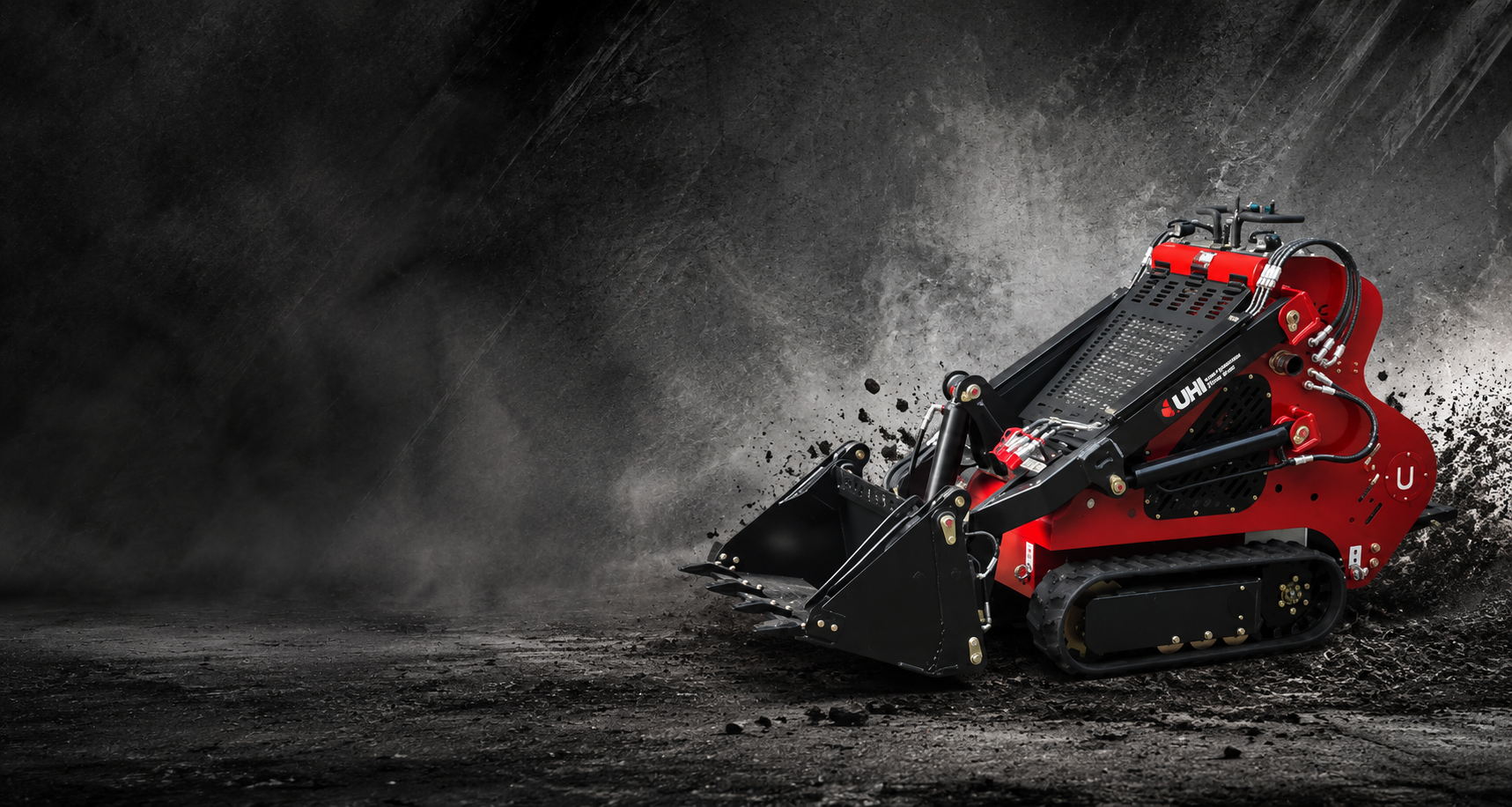 Used7
Used7 Used12
 Used12
 Used12
 Used4
Used4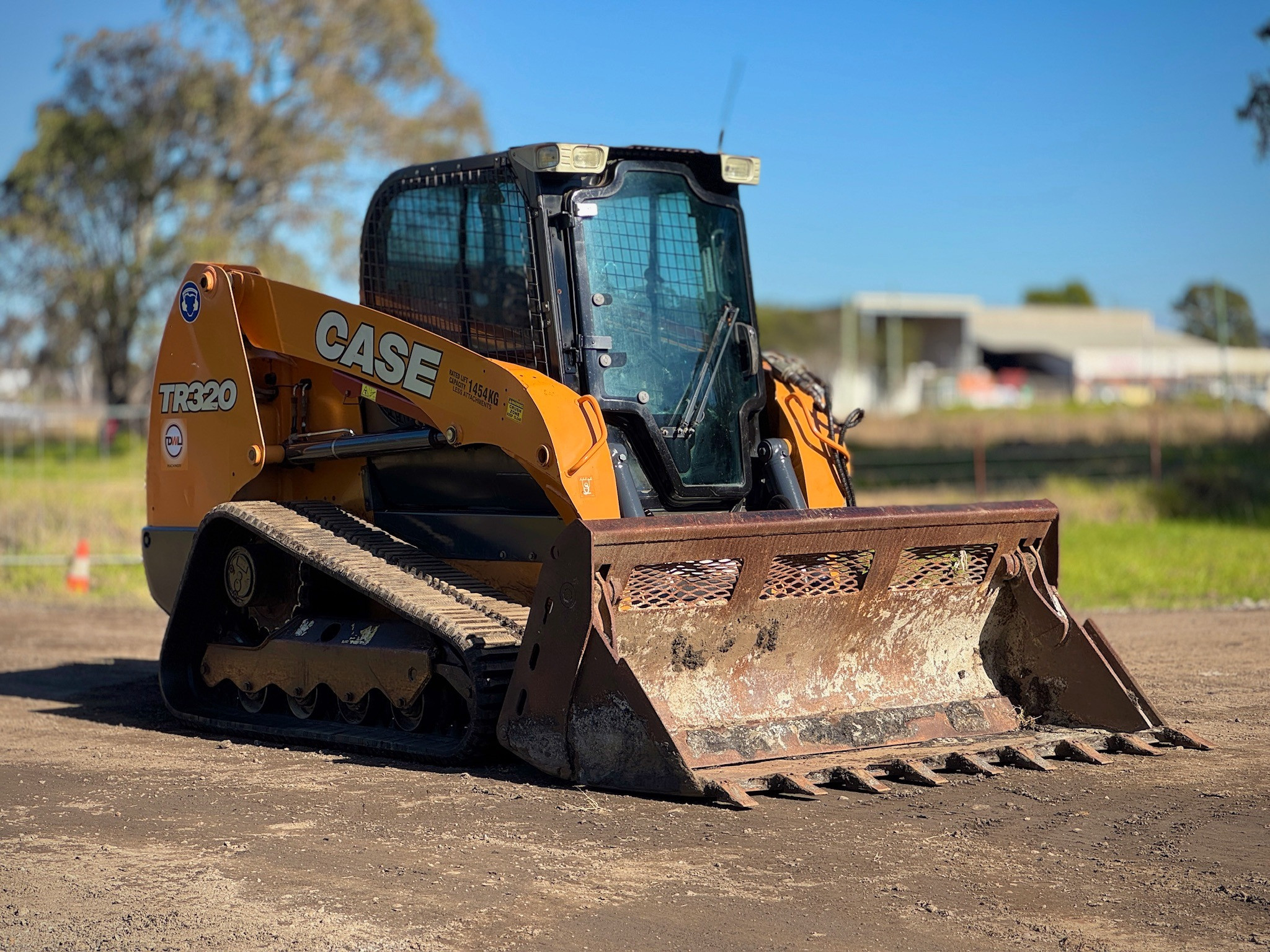 Used4
Used4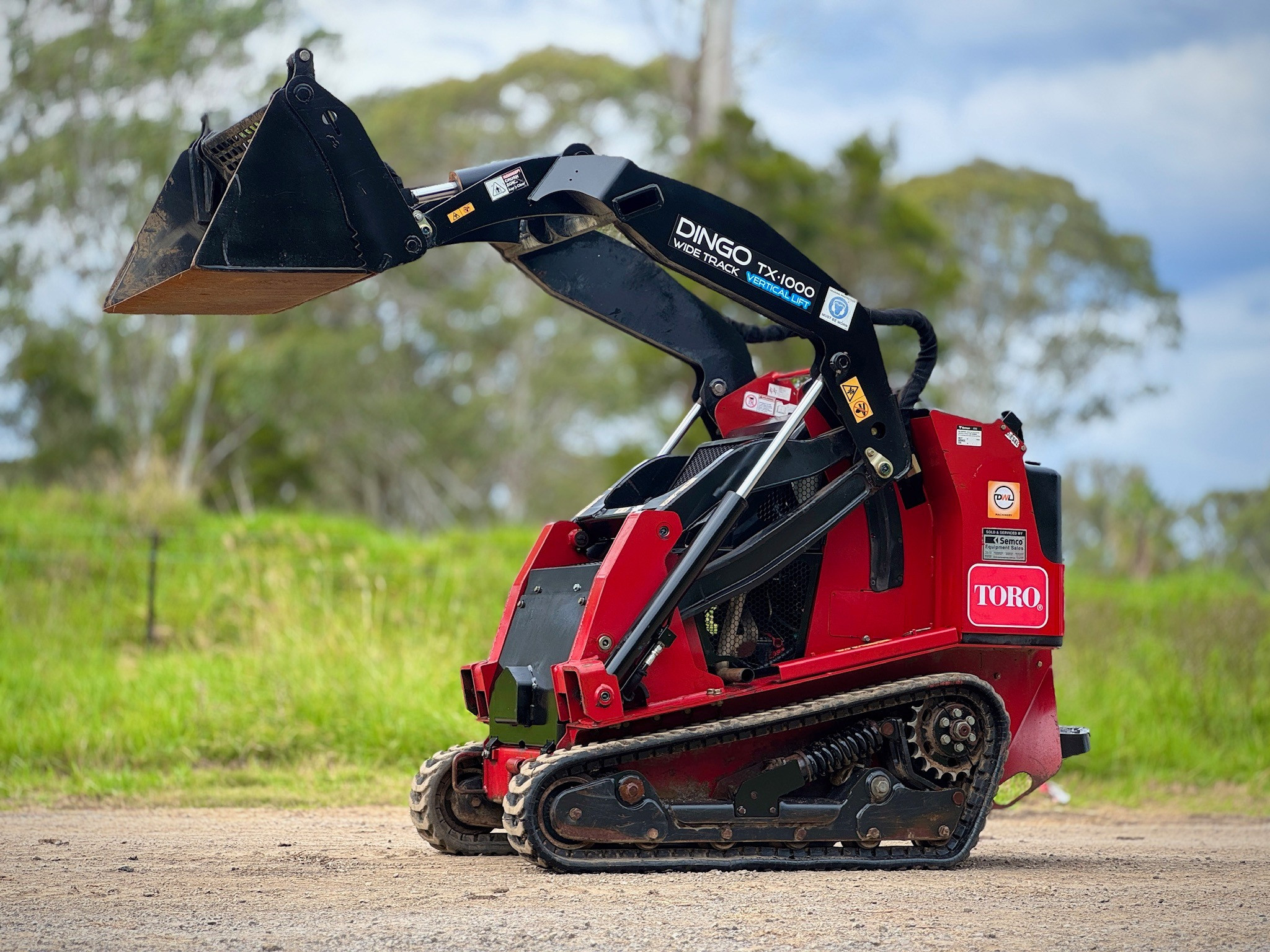 Used4
Used4 Used4
Used4By make
Read from our index on 10 August 2026 · 75 matching listings · median asking price $44,800 · $0 to $239,990
| Make | Listings we index | Median asking |
| Case | 14 | $64,410 |
| NEW | 9 | — |
| Kubota | 5 | $12,000 |
| Levelling | 4 | $2,000 |
| New Holland | 3 | $79,990 |
| 30D | 2 | $19,490 |
| ASV | 2 | $159,990 |
| New | 2 | $0 |
| Sumitomo | 2 | — |
| Sunward | 2 | $49,800 |
| Takeuchi | 2 | $52,250 |
| Toro | 2 | — |
Common questions
Is a Bobcat a type of machine or a brand?
A brand. Bobcat is a manufacturer whose early dominance of the category made its name generic in Australian usage. The machines themselves are skid steer loaders and compact track loaders, made by a number of manufacturers. Comparing across makes rather than searching only for the brand often finds equivalent capability for less.
Should I buy a wheeled skid steer or a compact track loader?
Wheels if you work mostly on hard, dry surfaces — lower purchase price and much lower running cost, since tyres are cheap and there is no undercarriage to wear. Tracks if you work on soft, wet or sloping ground, where flotation and stability are the difference between working and being stuck.
What does auxiliary hydraulic flow affect?
Which attachments will actually run. Cold planers, mulchers and large augers generally need high-flow auxiliary hydraulics, which is not standard on every machine. Check the flow rating against the attachments you intend to use before buying, not afterwards.
Looking for something specific?
Search live stock from Australian dealers, or work out what a repayment looks like before you start.