
Van, Ute or Light Truck? Choosing Your First Commercial Vehicle
The decision usually gets made on price and regretted on payload. What each actually carries, what licence you need, and the threshold where a truck becomes cheaper than a bigger ute.
Most businesses buying their first commercial vehicle choose between a ute, a van and a light truck on purchase price. Then they discover the payload, and the second vehicle costs more than getting the first one right would have.
What each is actually for
| Ute | Van | Light truck | |
| Typical payload | ~700 kg – 1 t | ~800 kg – 1.5 t | 1.5 – 4 t+ |
| Load security | Poor unless canopied | Excellent — lockable, dry | Depends on body |
| Licence | Car | Car | Car to 4.5 t GVM, then LR/MR |
| Running cost | Lowest | Low | Higher |
| Best at | Towing, rough access, trade tools | Parcels, tools, urban work, security | Volume, weight, pallets |
| Worst at | Weather, security, volume | Off-road, towing, heavy point loads | Parking, urban access, cost |
The licence threshold that changes everything
In Australia a car licence covers a vehicle up to 4.5 tonnes GVM. That is a genuinely useful amount of truck — many light trucks are built specifically to sit just under it, so you get pallet capacity and a tail lift without anyone needing a truck licence.
Above 4.5 tonnes you need a light rigid or medium rigid licence. If you are a one-person business, that is not just a cost, it is a constraint on who can drive for you when you are sick. Worth thinking through before you buy the bigger truck.
When a van beats a ute
- Your tools live in the vehicle. A locked, dry van is worth more than any canopy, and insurers frequently agree.
- You work in the weather. Loading a wet ute tray at 6 am gets old.
- You are in cities. Vans park where trucks cannot and are easier in loading docks.
- You want the vehicle signwritten. A van is a billboard; a ute is a tailgate.
When a ute beats a van
- You tow. Utes generally out-tow comparable vans and are set up for it.
- Site access is rough or unsealed.
- Your loads are awkward rather than heavy — ladders, pipe, timber.
- You need it to be a personal vehicle too, which is an honest reason and affects resale.
When a light truck is already the answer
- You are moving pallets. A tail lift and a flat floor at pallet height changes the work entirely.
- You are making two trips. A second trip is fuel, wages and time — the truck often pays for itself on that alone.
- You are consistently near a ute's payload limit. Running at the edge is how vehicles break and insurance claims get denied.
- You need a specific body — tipper, refrigerated, curtain-sided, service body.
The cost comparison worth doing
Compare monthly total, not price: repayment, fuel over your real annual kilometres, insurance, registration and tyres. A light truck is more expensive per month than a ute almost always — and cheaper per delivery, quite often. Which of those matters depends on volume.
What is available now
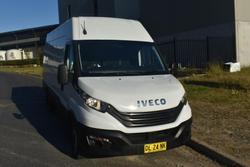
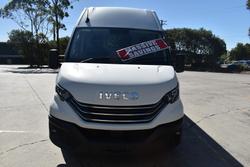
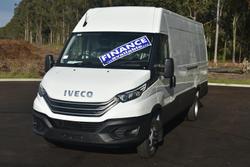
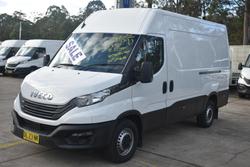
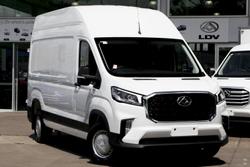
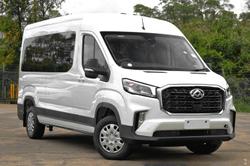
Vans currently listed
Read from our index on 10 August 2026 · 124 matching listings · median asking price $47,668 · $9,000 to $462,000
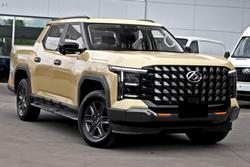
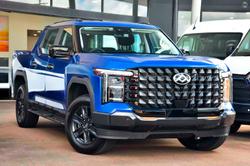
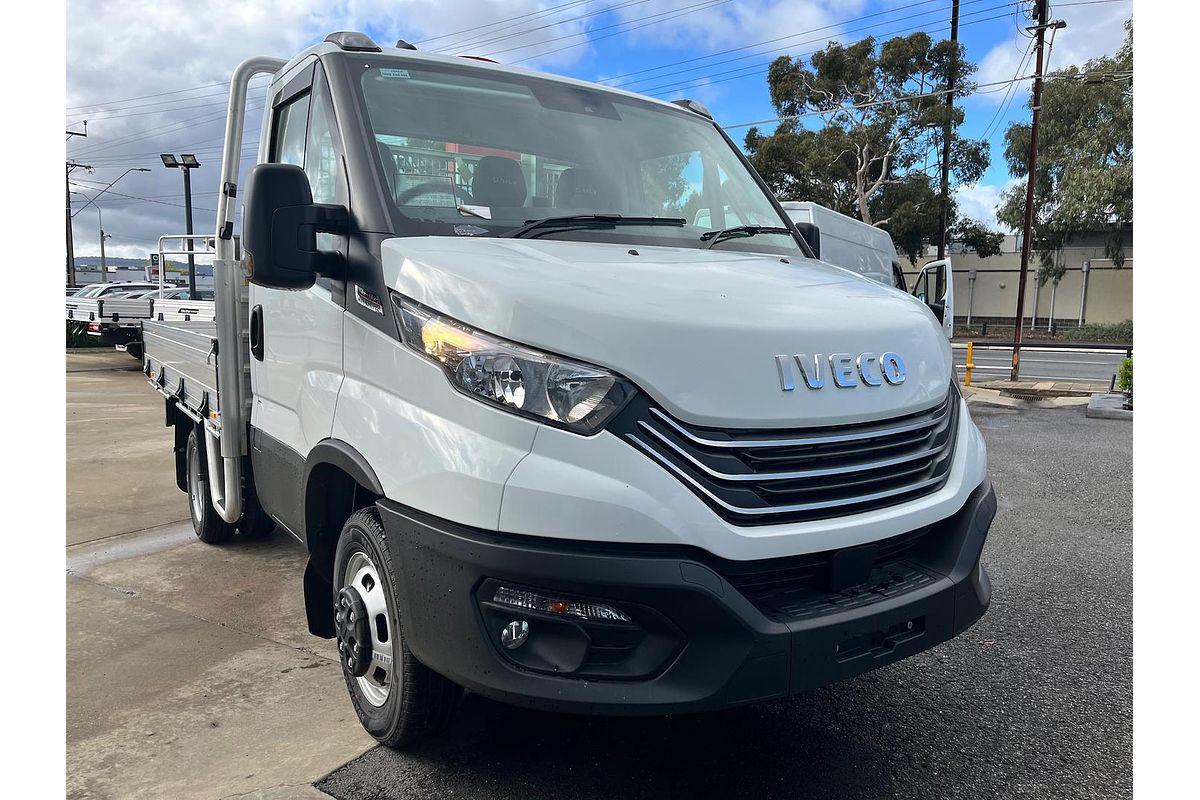
Utes currently listed
Read from our index on 10 August 2026 · 172 matching listings · median asking price $47,990 · $4,800 to $181,990
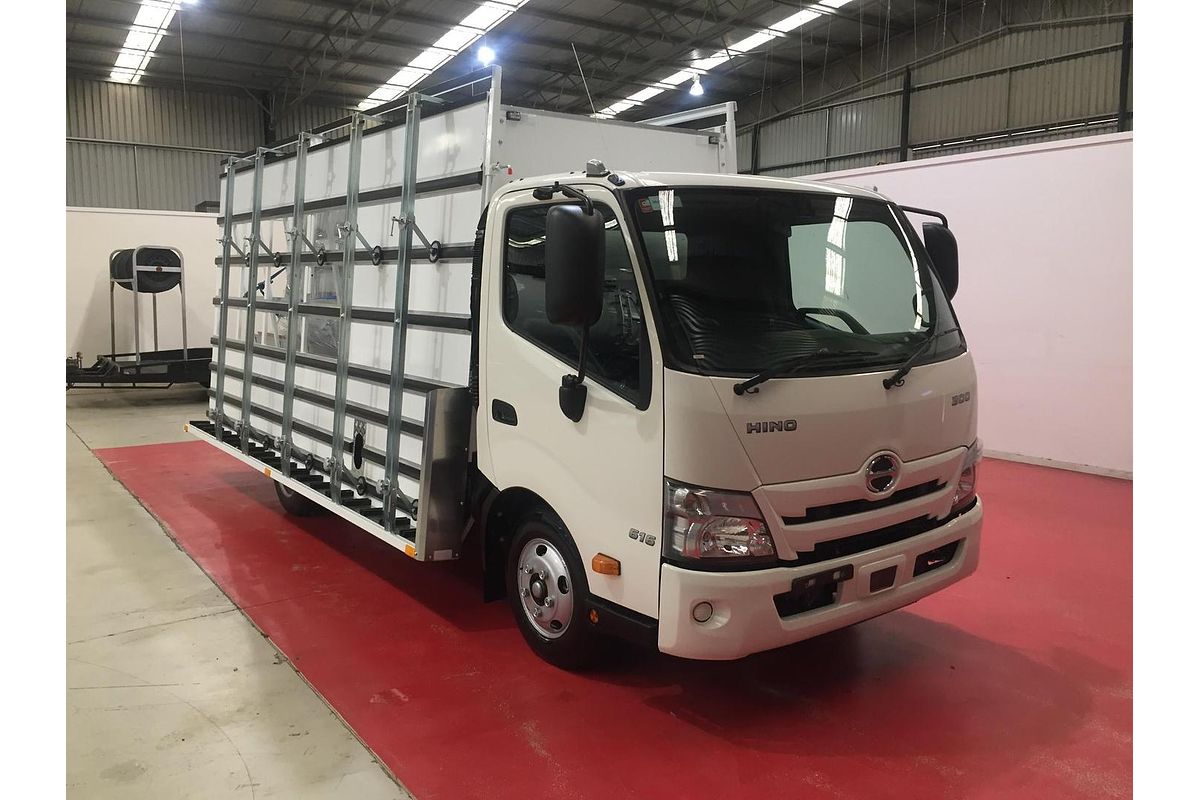


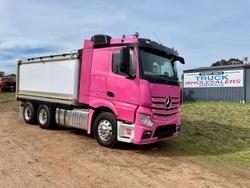
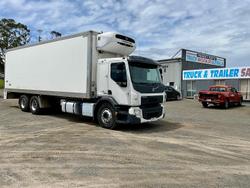
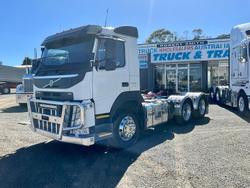
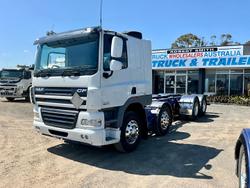
Light trucks currently listed
Read from our index on 10 August 2026 · 1,166 matching listings · median asking price $93,005 · $1,000 to $995,000
 Used12
 Used12
 Used12
 Used12
 Used12
 Used12
Common questions
What licence do I need for a light truck in Australia?
A car licence covers vehicles up to 4.5 tonnes GVM, which includes many light trucks built deliberately to sit just under that limit. Above 4.5 tonnes you need a light rigid or medium rigid licence depending on the vehicle.
How much can a ute actually carry?
Typically around 700 kg to a tonne, but the usable figure is lower than the brochure. A canopy, toolboxes, a full fuel tank and passengers all consume payload before any cargo. Many working dual-cabs are at their legal limit already, which is both illegal and a problem for insurance.
Is a van or a ute better for a tradesperson?
A van if your tools live in the vehicle and you work in cities and weather — it is lockable, dry and better for signwriting. A ute if you tow, access rough sites, or carry long awkward loads. Security and weather protection are what tip most trade buyers toward vans.
Looking for something specific?
Search live stock from Australian dealers, or work out what a repayment looks like before you start.